
Serpenthink Studio · Creative practice
Make something worth feeling.
The human brings the story. The Studio brings the means to tell it.
An independent creative practice for stories, images, film, sound and unexpected forms of expression. We bring human imagination and an evolving collection of creative tools into one place, to make things that might otherwise remain ideas.
StoriesImagesFilmSoundImagination
- The Problem Ideas stay ideas
- The Hypothesis Fewer barriers
- What if? Asked below
- The Experiment Active practice
- What We Learned Shared in Field Notes
01 The idea comes first
The most important tool is a point of view.
An idea begins with a person: a memory, a place, an observation, a joke, a question, or something that refuses to be forgotten.
Technology can help turn that spark into a screenplay, a photograph reimagined, a moving image or a full audiovisual piece. But it cannot supply the lived experience that makes the work matter.
A human decides what the story is, who it is for, how real people and places are represented, and when the result is worth sharing. The Studio is human-directed, not machine-authored by default.
New tools change who gets to make things. They do not change why things are worth making.
02 One studio. Many mediums.
From the first image to the final cut.
What once required a separate collection of specialist tools and production resources can now begin at a single desk. The Studio explores that shift across different forms of creative work.
-
Still images
Original artwork, visual treatments, concept frames and photographic experiments.
-
Photography, reimagined
Enhance, reinterpret or restore existing images, with care for the source material and the people pictured.
-
Film & cinematography
Explore scenes, camera language, motion, visual sequences and short-form filmmaking.
-
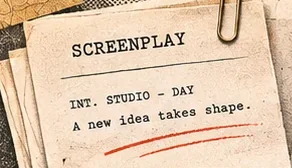
Writing & storytelling
Screenplays, scene development, dialogue, narrative structure and editorial revision.
-
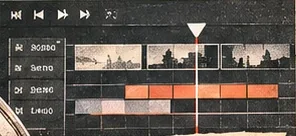
Editing & postproduction
Arrange shots and scenes, test pace, strengthen continuity and bring a work toward completion.
-
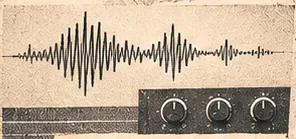
Sound & music
Explore voice, atmosphere, effects, musical ideas and the emotional texture of a piece.
-
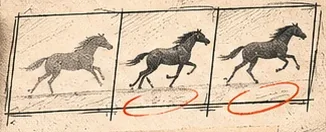
Animation & illustration
Cartoons, moving illustrations, storyboards and imagined worlds.
-
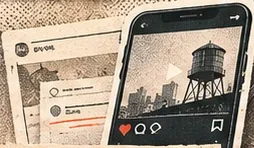
Social & digital content
Short videos, visual essays, stories and material made for different platforms.
03 The creative stack
Many tools. One human director.
The tools are not the creative identity. They are instruments in an evolving production stack, chosen because each can contribute something different: a first sketch, a critical challenge, a visual variation, a cinematic sequence or a soundtrack.
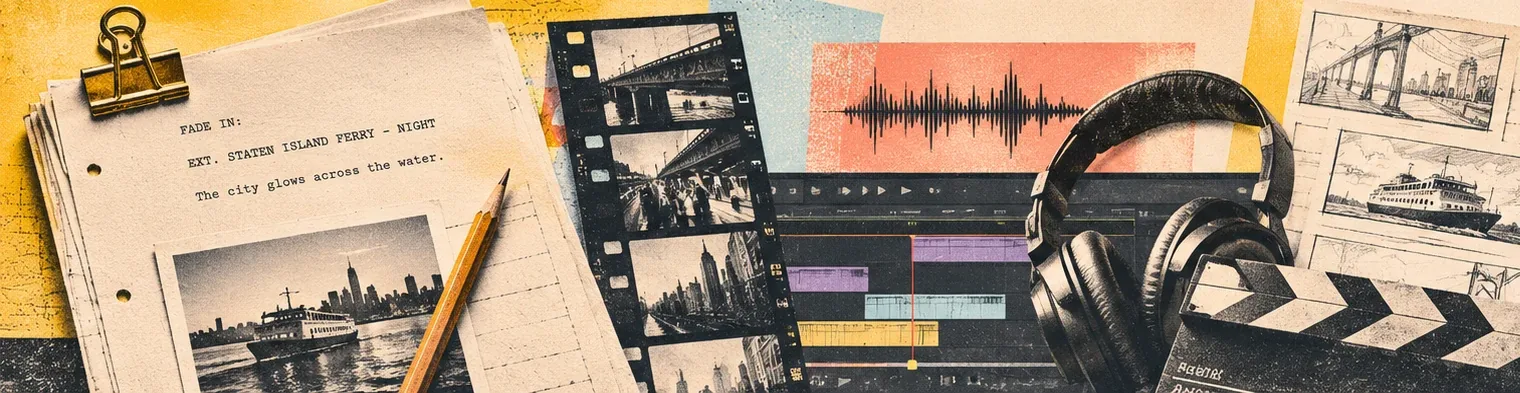
A working approach, not a rigid or mandatory pipeline:
Observe and imagine
Start with a lived experience, original idea, place, person, photograph or question.
Write and shape
Develop the story, scenes, intentions and visual direction.
Generate and explore
Make stills, treatments, storyboards, motion tests and sound sketches.
Challenge and refine
Use different tools to test assumptions and improve narrative, craft and visual consistency.
Edit and decide
Make the final human editorial call: change it, finish it or abandon it.
The tools we’ve experimented with
- ChatGPT
- Image generation, visual concepts and early story exploration.
- Claude
- Critique, editorial challenge, refinement, alternate approaches and script work.
- Nano Banana
- Image iteration and transformation, within Gemini.
- Veo
- Moving-image experiments, within Gemini.
- Lyria
- Music and sound exploration, within Gemini.
- Flow
- A separate environment for filmmaking and sequencing scenes.
Not every tool is used on every project, and some work uses none of them. Tools and workflows will evolve; these names do not imply partnership or endorsement.
04 No giant crew required to begin
The distance between imagination and production is shrinking.
A writer can test how a scene might look. A photographer can build a moving sequence from a still. A storyteller can explore locations, lighting, sound, pacing and music before any traditional production begins. A single creator can now prototype, and sometimes complete, work that once demanded substantial equipment, specialized skills and production budgets.
That possibility is exciting, but it does not erase the importance of actors, filmmakers, musicians, editors or collaborators. We bring people in where their talent, permission, safety or the ambition of the work calls for them.
05 What if?
What if the only thing missing was the means to make it?
What if a photograph became a scene? What if a memory became a screenplay? What if a few lines written on the ferry became a short film?
Not every answer needs to become a venture. Some ideas deserve to exist because they make us laugh, wonder, remember, question or feel.
06 Work in progress
Made in the open, when there’s something to show.
The Studio is an active creative experiment, not a finished production company with a fictional portfolio. Real works, sketches, films and lessons will be added here as they are ready and approved for publication.
Until then, this page explains the practice rather than achievements we haven’t made. Notes on what we try along the way appear in Field Notes.
07 The ethic
Keep the human in the frame.
Real people and places can inform a work, but they are not disposable source material. When a change materially affects what viewers believe they are seeing, we should be clear about it.
- Consent. Identifiable people take part knowingly, or they are not shown.
- Context. Real places and moments are portrayed fairly, in the setting they came from.
- Rights. Photographs, music, likenesses and other works are used with permission.
- Accurate portrayal. Documentary material is kept distinct from synthetic or fictional scenes.
- Attribution. Collaborators and sources are credited properly.
Make something worth feeling. Make it with intention.
- The Lab tests methods and prototypes.
- The Studio creates expressive work.
- The Foundry develops durable possibilities.
- The Signal researches and interprets.
- Field Notes records what we learn.